
That “Just a Whiff” Could Be Warning You
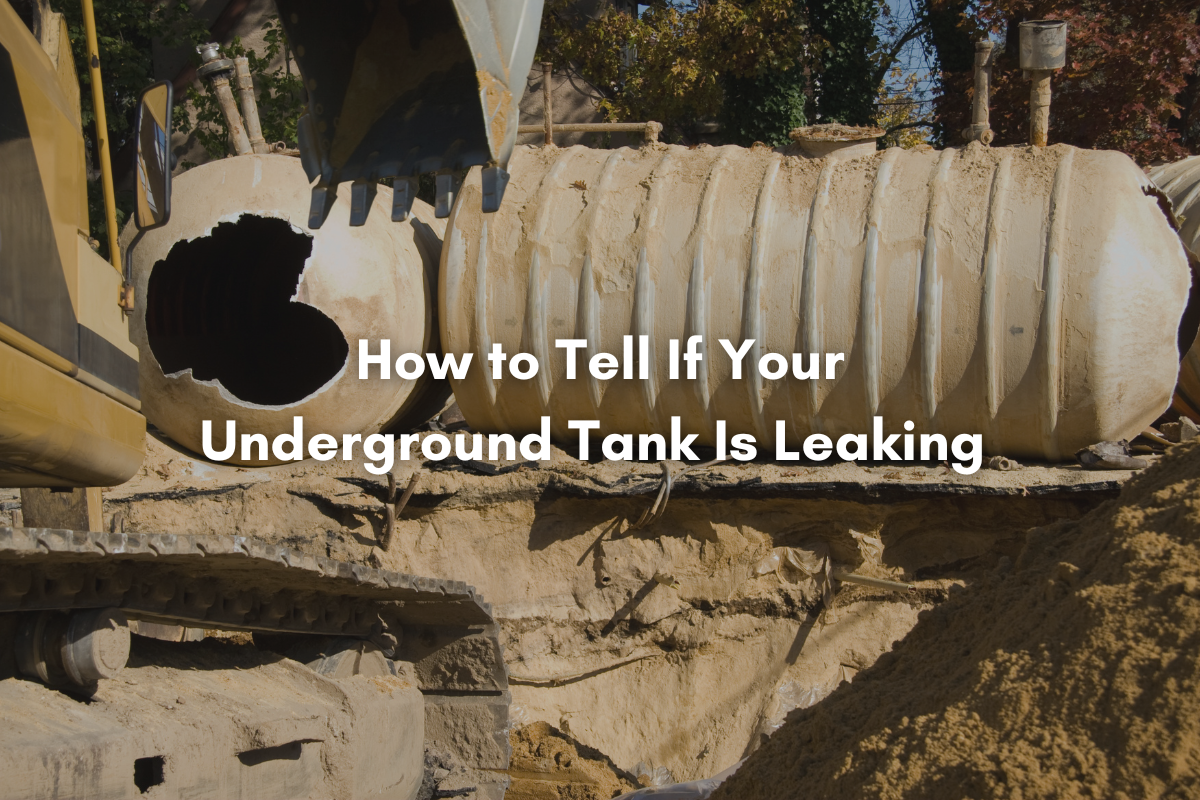
If you’ve ever wondered how to tell if an underground storage tank is leaking, you’re not alone. Picture this: you’re walking your property on a quiet afternoon, and there it is – that faint smell of gasoline or oil hanging in the air. You brush it off at first, thinking it might be from a nearby vehicle or equipment. But then it lingers. Days later, it’s still there.
We’ve heard this story many times at CRG Texas Environmental Services Inc. – and more often than not, that subtle odor turns out to be the first red flag of a leaking underground storage tank (UST).
If you have a petroleum storage tank buried on your property, that smell could be your system’s way of asking for help. Recognizing the signs early can save you thousands in cleanup costs and prevent long-term contamination of your soil and groundwater.
What Causes Underground Storage Tanks to Leak?
Before diving into how to tell if an underground storage tank is leaking, it helps to know why leaks happen in the first place.
Many USTs installed before the late 1990s were made of bare steel. Over time, exposure to moisture and oxygen in the soil causes corrosion, creating pinhole leaks that go unnoticed until contamination surfaces. Even modern fiberglass or double-walled systems can fail due to poor installation, shifting soil, or damaged piping.
At CRG Texas, we often find leaks linked to:
- Aging infrastructure – tanks past their 20-year lifespan.
- Corrosion of steel components.
- Improper backfill or soil movement causing stress cracks.
- Faulty seals or fittings allowing small, consistent product loss.
It doesn’t always happen suddenly. In fact, most UST leaks start slow – a few drops at a time – but once petroleum products reach the surrounding soil, they can migrate quickly through groundwater. That’s when the real problems begin.
The Top Warning Signs of a Leaking UST (and How to Tell If Yours Is Leaking)
1. Persistent Petroleum Odor Around the Property
That faint, gasoline-like smell we mentioned earlier? It’s often the first sign something isn’t right.
Petroleum vapors can escape from even tiny cracks or fittings underground. They travel through soil and can be detected above ground, especially after rain when vapor movement increases.
Example: We once had a client in Baytown who thought their neighbor was spilling fuel from small engines. When we conducted an inspection, it turned out their own tank had been leaking for months – right under their parking lot. The smell had been the only clue.
If you notice any recurring fuel odor, particularly near the tank area or your building’s foundation, it’s time to investigate.
2. Discolored or Dying Vegetation
Plants are surprisingly good indicators of contamination. Areas with petroleum-impacted soil often show patches of dead or yellowing grass, even when the rest of the lawn looks fine.
You might also see dark, oily soil or sheen on puddles after rain. That discoloration usually means hydrocarbons have made their way into the surface layer.
3. Unexplained Drops in Fuel Levels
If your UST is still active and you’re noticing product levels dropping faster than usual, that’s a serious red flag.
Sometimes property owners assume it’s due to temperature changes or inaccurate readings. But consistent loss – even small amounts – can mean fuel is escaping underground.
Keep records of your deliveries and usage. If you see unusual patterns, contact a licensed environmental consultant for a leak detection assessment to confirm whether your underground storage tank is leaking.
4. Sheen or Floating Product on Water
Another sign of a leak appears when sheen forms on groundwater, storm drains, or monitoring wells near your property.
Oil doesn’t mix with water – it floats. So even a small release can create a rainbow-colored layer on top of standing water. If you see this around your property, don’t ignore it.
5. Indoor Odors or Water Quality Changes
If petroleum vapors find a pathway through soil, they can infiltrate buildings through cracks in foundations. That’s why some property owners report gasoline odors indoors, particularly in basements or maintenance rooms.
For those on private wells, a change in taste, smell, or color of the water can also indicate contamination from a leaking UST. At that point, professional testing is essential – not optional.
Why Ignoring the Signs Can Cost You – Literally
Leaking underground tanks don’t just smell bad; they can lead to expensive cleanup projects and legal headaches.
Once petroleum leaks into soil or groundwater, you may be responsible for:
- Excavation and soil disposal.
- Groundwater remediation and long-term monitoring.
- Property value loss.
- TCEQ (Texas Commission on Environmental Quality) penalties for non-reporting or delayed response.
At CRG Texas, we’ve seen well-meaning property owners spend tens of thousands of dollars on cleanup that could have been minimized if they’d called sooner. The key takeaway: early detection saves you time, money, and stress.
What to Do If You Suspect a Leak
When that strange odor or discoloration catches your attention, here’s your game plan for how to tell if your underground storage tank is leaking and what to do next:
Step 1: Stop Using the Tank Immediately
Cease all fuel transfers or dispensing to prevent more product from leaking.
Step 2: Document What You See (and Smell)
Take notes or photos of any unusual smells, stains, or dead patches of grass. This documentation will be valuable during inspections and regulatory reporting.
Step 3: Call an Environmental Consultant – Not Just a Contractor
This is where CRG Texas Environmental Services comes in. Unlike general contractors, our team specializes in UST leak detection, environmental site assessments, and remediation.
We’ll perform:
- Site reconnaissance to locate potential leak sources.
- Soil and groundwater sampling to confirm contamination.
- TCEQ coordination to ensure you remain compliant with Texas regulations.
Step 4: Follow the Professional Guidance
Once testing confirms a leak, remediation steps may include tank removal, excavation, and soil treatment. Every site is different – and we tailor solutions to the extent of contamination and your property goals.
Suspected vs. Confirmed Releases
While odors are one of the most common early warnings, they’re not the only clue that something’s wrong. The Texas Commission on Environmental Quality (TCEQ) classifies leaks as either suspected or confirmed releases – and knowing the difference can help you act fast.
A suspected release happens when there’s evidence something may be off, such as erratic dispenser behavior, sudden product loss, water in the tank, or alarms from your leak detection system. You might also notice a sheen on surface water or fuel odors in nearby utilities. In these cases, the next step is to investigate and report the issue within 24 hours, then complete testing – like a tightness test or soil sampling – within 30 days.
A confirmed release occurs when contamination is actually detected and the source is known, such as product found in observation wells or lab results showing petroleum in soil or groundwater. Once confirmed, the leak must be stopped immediately, the system taken out of service, and the incident reported to the TCEQ.
If you suspect or confirm a release, it’s important to contact an experienced environmental consultant like CRG Texas Environmental Services to handle the testing, reporting, and remediation in full compliance with state regulations.
Real Talk: It’s Not Always the End of the World
Finding out your tank is leaking sounds like a nightmare, but it’s a problem we solve every day.
In many cases, quick detection means we can limit the impacted area, avoid major excavation, and file a proper Release Determination Report (RDR) with the TCEQ to close the case efficiently.
Example: One client in Conroe called us after noticing a small oily patch near his parking area. Within days, we tested the soil, identified a minor leak, and implemented localized soil removal. Because he called early, he avoided thousands in remediation and potential penalties.
The difference between a manageable fix and a costly cleanup often comes down to how fast you act.
Why Work with CRG Texas Environmental Services
With over 30 years of experience, our team has helped property owners across Texas handle every stage of UST management – from inspections and leak detection to full remediation and closure.
We understand the regulations, the science, and the stress that come with environmental issues. That’s why we take a “deal-maker, not deal-breaker” approach – helping you stay compliant while protecting your investment.
Our petroleum storage tank services include:
- UST removal and abandonment in place
- Soil and groundwater remediation
- Environmental due diligence (Phase I, II, and III ESAs)
- TCEQ reporting and regulatory support
If you’ve noticed strange odors, discolored soil, or declining tank levels, don’t wait. A quick inspection can confirm how to tell if your underground storage tank is leaking – and stop the problem before it grows.
Final Thoughts: Small Signs, Big Consequences
That strange odor around your property might not be harmless – it could be your tank’s way of telling you something’s wrong.
Catching leaks early keeps contamination contained, protects your property value, and spares you from fines or lawsuits.
At CRG Texas Environmental Services Inc., we help Texans identify, address, and resolve underground tank issues every day – efficiently, safely, and in full compliance with state and federal standards.
If you’ve been wondering how to tell if an underground storage tank is leaking, contact our team today to schedule an inspection and take the first step toward peace of mind.